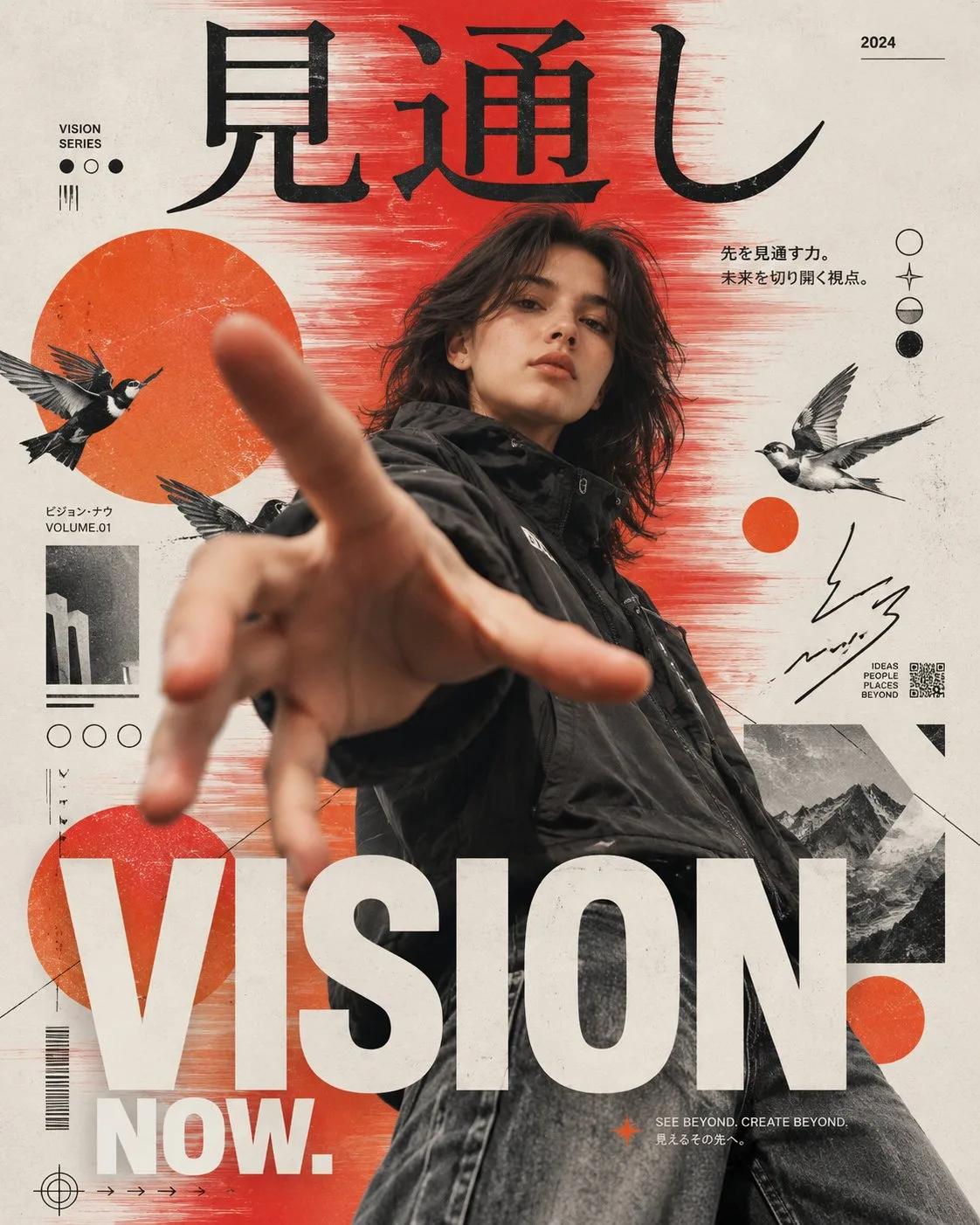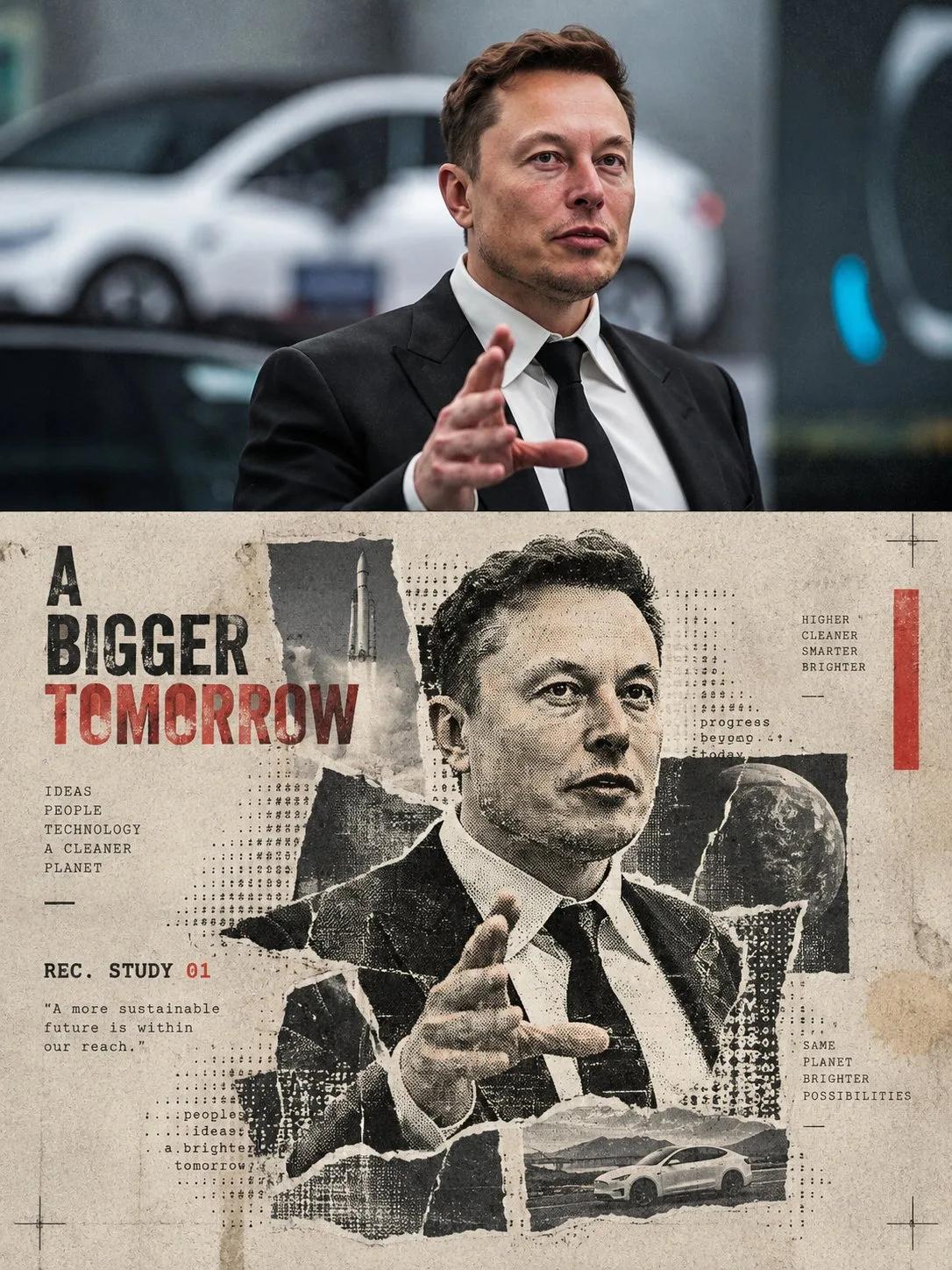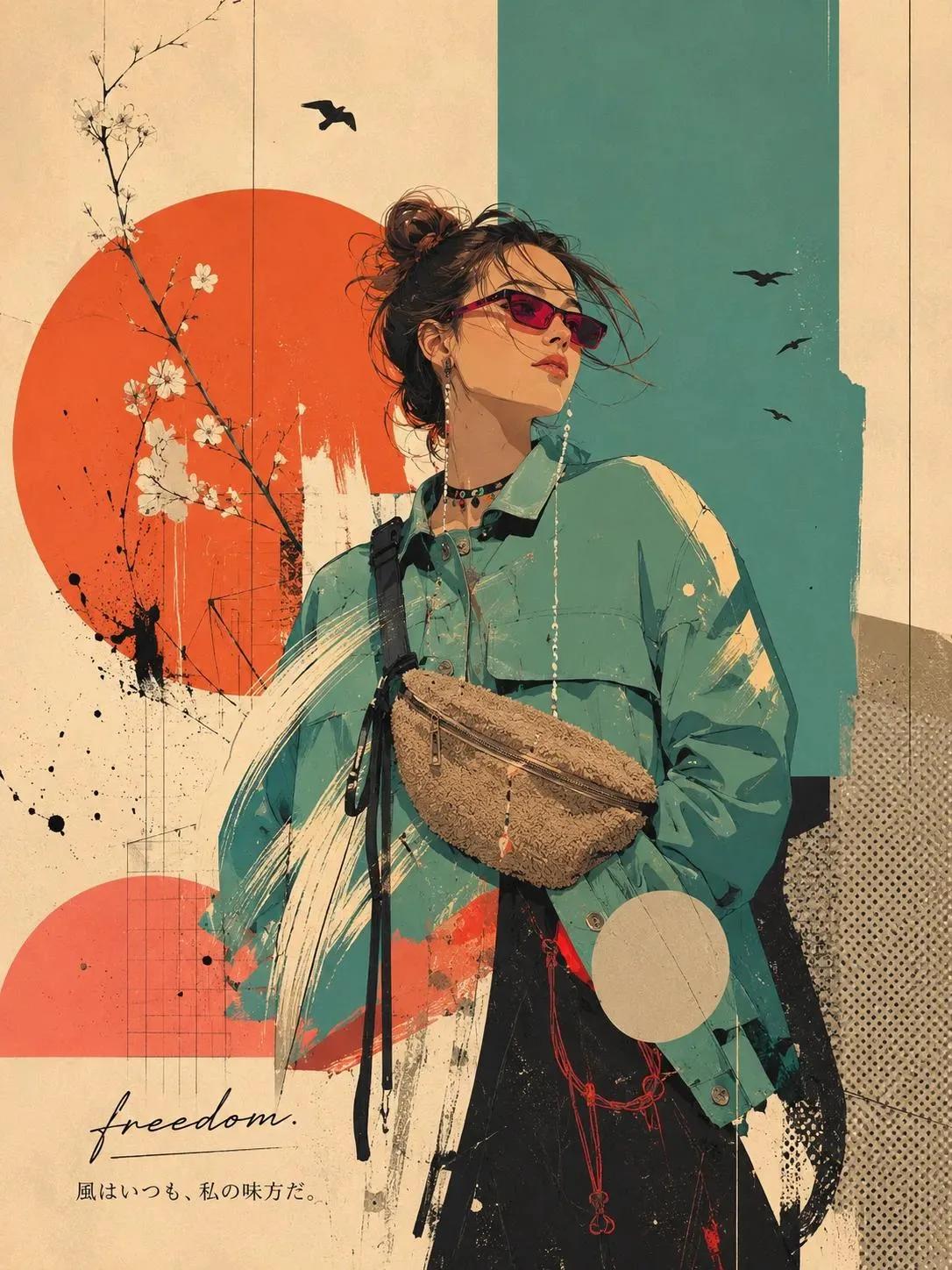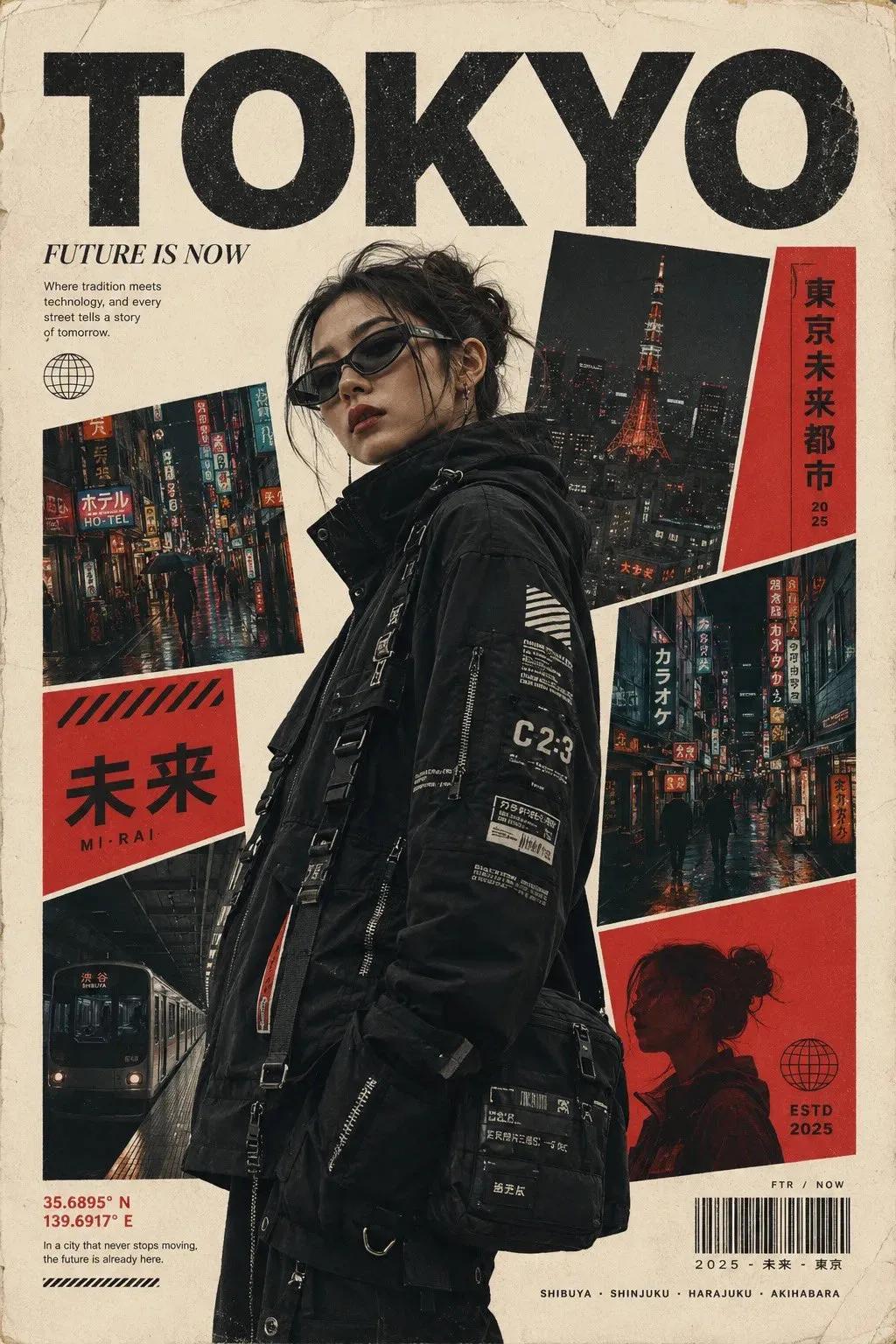

images · poster art · portrait illustration
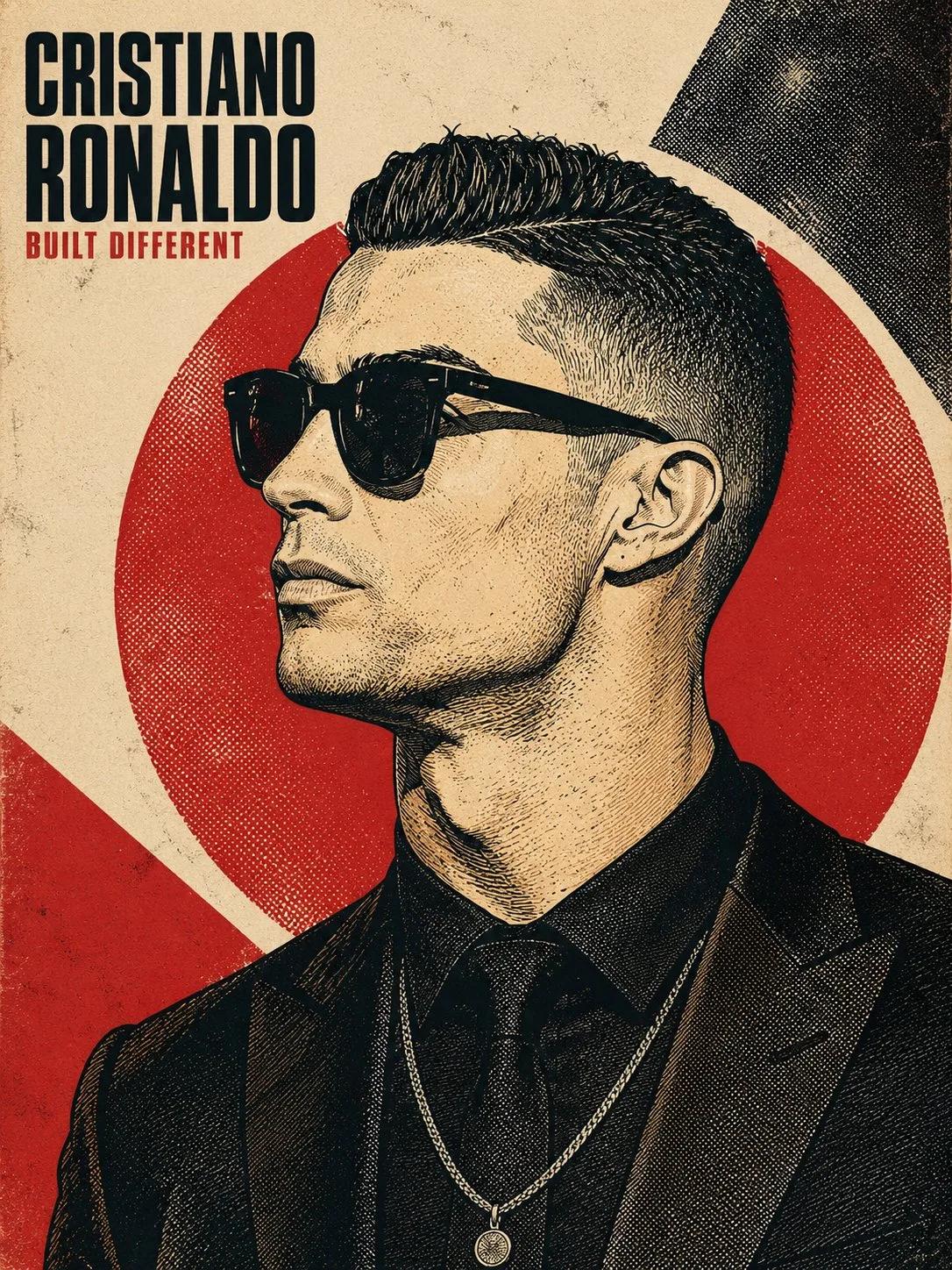
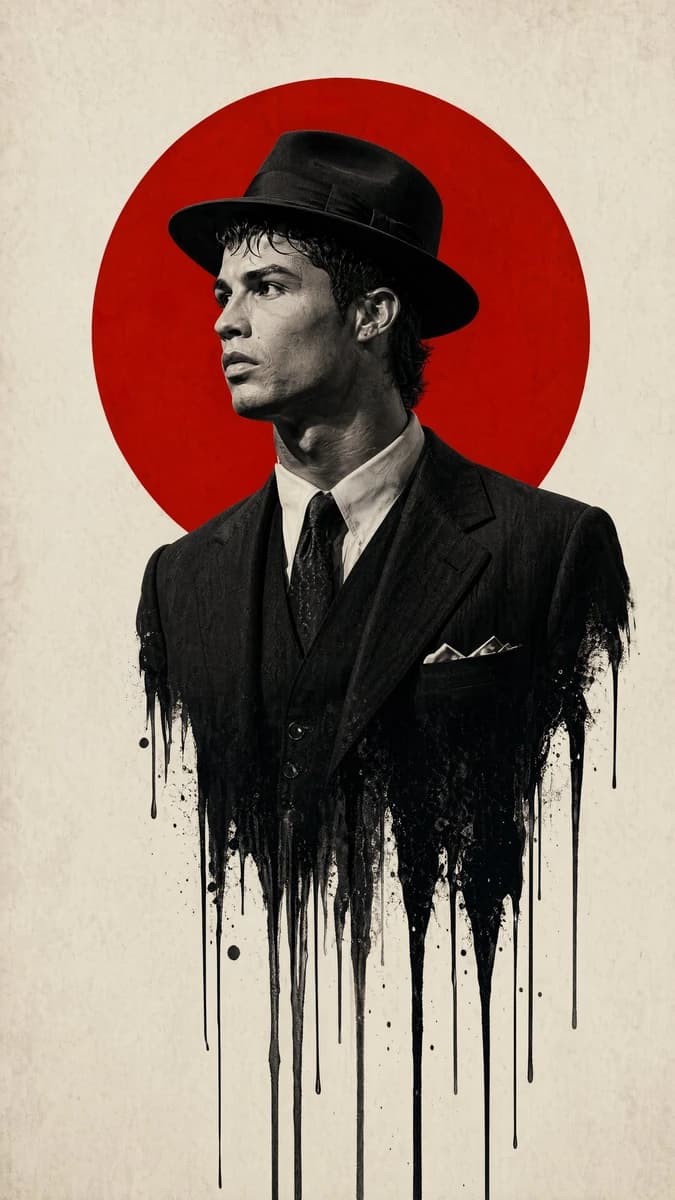
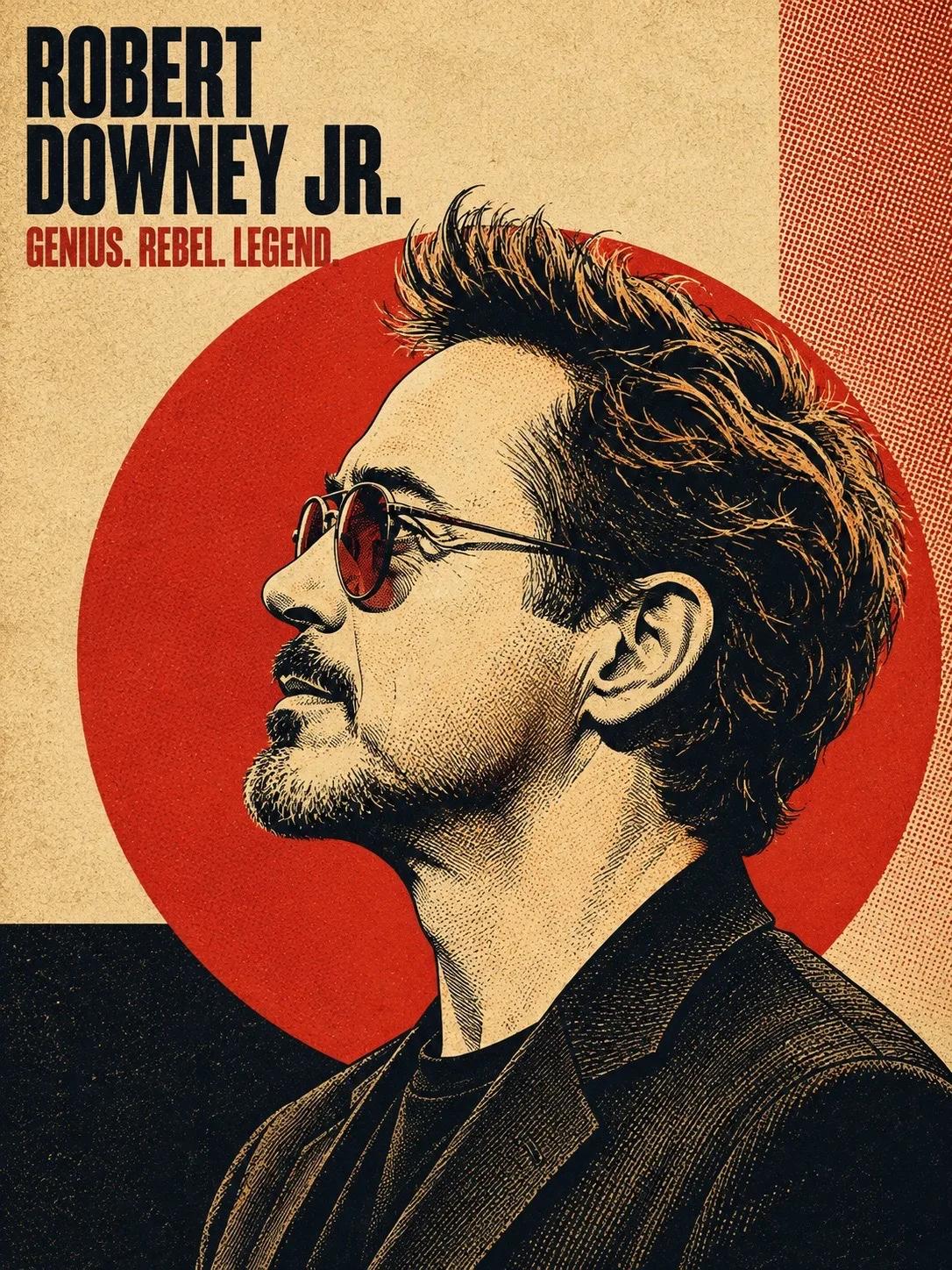
Convert the uploaded reference photo (or a well-known likeness of the named person) into a vintage halftone bold poster-art style portrait illustration. Medium: digital illustration mimicking screen-printed / offset-lithograph poster art, influenced by 1960s-70s bold political/protest poster art, Shepard Fairey-style bold stencil illustration, risograph print texture, vintage magazine cover design, and retro concert/album poster art. Line work: high-contrast ink linework with fine cross-hatching and stippling for shading, visible pen/brush strokes in hair strands. Rendering: flat color blocking combined with engraving-style fine line shading — not photorealistic, not airbrushed, not smooth gradient shading. Composition: subject's head and upper shoulders/chest in a strict 90-degree side profile (facing left), eyes looking straight ahead in profile, chin slightly lifted, neutral/confident expression. Portrait orientation (4:5 or 3:4 aspect ratio), subject fills roughly 70-85% of vertical frame, cropped at mid-chest/shoulder. Focal backdrop: a large solid-color circle (sun/halo motif) centered behind the subject's head, circle diameter roughly 60-70% of canvas width, subject's hair and shoulders slightly overlap and break the circle's edge. Hair treatment: hair rendered as one of the most detailed elements — individual flowing strands, wind-swept or voluminous movement, strong directional lighting creating highlight streaks within the dark mass of hair. Background: coarse woven linen/canvas paper texture overlaid across the entire composition at low opacity; asymmetric geometric color-block panels behind/around the circle — e.g. a solid dark rectangle in one lower corner, a contrasting stripe or panel along one edge, sometimes a fine halftone dot-pattern or crosshatch pattern filling one quadrant; visible CMYK-style halftone dot pattern subtly overlaid on background panels and occasionally bleeding into the portrait's shadow areas; fine analog print grain/noise across the whole image for an aged, screen-printed look. Color palette: select ONE cohesive limited palette (2-4 colors max) per poster, high contrast, no photographic gradients. Classic scheme: warm cream / aged paper beige background base, bold poster red accent circle, near-black ink linework/shadow, cream highlight. Dark alt: black or deep charcoal background base, poster red or burnt orange accent circle, black ink linework, warm cream/tan highlight. Cool alt: deep navy blue background base, muted brick-red/orange accent circle, navy/black ink linework, warm cream highlight, with the subject's true eye color kept naturally visible as the one full-color accent. Duotone option: render the entire subject in a single duotone (e.g. mustard-yellow and black, or gold and black) instead of cream/red/black. Typography: headline = subject's name (first name, or first+last stacked on two lines), top-left corner of the poster inset from edges, extra-bold condensed slab-serif or grotesque sans-serif, all caps, tightly kerned, stacked on 1-2 lines, large scale (dominant typographic element), matches the linework/shadow ink color, occasionally with a subtle drop shadow or outline; subheadline = a short 2-4 word tagline/epithet related to the subject, directly below the headline at smaller scale, bold condensed sans-serif or slab-serif, all caps, single line, in the poster's accent color matching the circle. Clothing and accessories: simple, era-appropriate or modern minimal clothing rendered in flat color with the same halftone/linework shading — collared shirts, blazers, off-shoulder tops, or textured jackets with visible fabric-fold linework; minimal accessories — small jewelry (earrings, necklace) if present in reference, rendered as simple line-art shapes. Lighting: dramatic directional lighting creating strong contrast between lit and shadowed areas of the face and hair, consistent with poster-art chiaroscuro.
Related prompts